
Rondo CLT Business Spotlight: In Black Ink

duda • July 1, 2025

Fostering Small Business Growth Through Affordable Office Space


In 2017, Rondo CLT became the first community land trust in Minnesota to apply the model for commercial uses. Leveraging the land trust as a central tool to grow the financial sustainability of entrepreneurs, this initiative is a cornerstone in the effort to support Black-owned businesses and foster small business growth.


To advance this mission, Rondo CLT introduced its Selby Milton Victoria (SMV) Project in 2019. The project’s two mixed-use buildings provide 9,300 square feet of long-term affordable commercial space along with 34 units of affordable senior housing. For tenants like the publishing initiative In Black Ink, this means access to affordable office space that is essential for sustainability.

This past March, an opportunity arose to move In Black Ink to a more visible space on Selby Avenue. This move gives its founder, Rekhet Si-Asar, a better platform to scale her organization. Recently, we had the opportunity to sit down with Rekhet and learn more about her story and journey to starting In Black Ink.

A Founder's Journey and the Fight for Black Storytelling


As a child, Rekhet Si-Asar loved writing. Sharing that she was a very shy kid, Rekhet stated that she found writing to be an ideal fit for her when needing to communicate. . She tutored other students when she was in college, supporting peers who were learning English as a second language. But the education system taught her to doubt her talents.


When she came to the University of Minnesota for graduate school, she recalls, “they put me in remedial English because that’s where they put all the Black students” — despite testimonies from her past professors. That treatment illustrated a toxic psychology that has intentionally undermined Black storytelling.


“It’s not just that we don’t have a lot of books [written by and about Black people],” Rekhet explains. “We don’t have enough skilled professionals in the area. The issue is not a lack of intelligence; instead, access has been intentionally and strategically denied. Our elders are especially afraid to put their thoughts, experiences, and wishes for themselves down on paper, often fearing how others may judge or respond to their life choices.” She adds that because writing is such a personal, yet permanent, expressive tool that many elders don't feel comfortable having their thoughts edited, a key barrier to African American storytelling.


The Birth of In Black Ink: A Hub for Black Publishing


Creating In Black Ink wasn’t something Rekhet planned. “It wasn’t my idea,” she says with a smile. As educators, she and her husband set out to create culturally relevant school curriculum, but people started approaching them for support in publishing their memoirs or books. To meet that need, they started Papyrus Publishing in 1998.


“The inspiration began with Kofi Bobby Hickman as a pillar in the community, and we wanted to make sure his story was captured and shared,” she says. “We brought together 21 consultants from across the state—including Elder Mahmoud El-Kati, Tish Jones, Vusi and the Late Nothando Zulu, and others.” With a grant from the Minnesota Historical Society, they held community listening sessions. “We asked who’s capturing your stories, and where are they being held? We were able to ascertain the need for a formal body to make the impact envisioned by the community.”


That formal body became In Black Ink, an arts initiative dedicated to celebrating, documenting, and archiving the voices of people of African heritage through publications, professional development training opportunities, and public presentations. It stands as a vital resource for Black publishing.


Deep Roots and Community Impact in Rondo


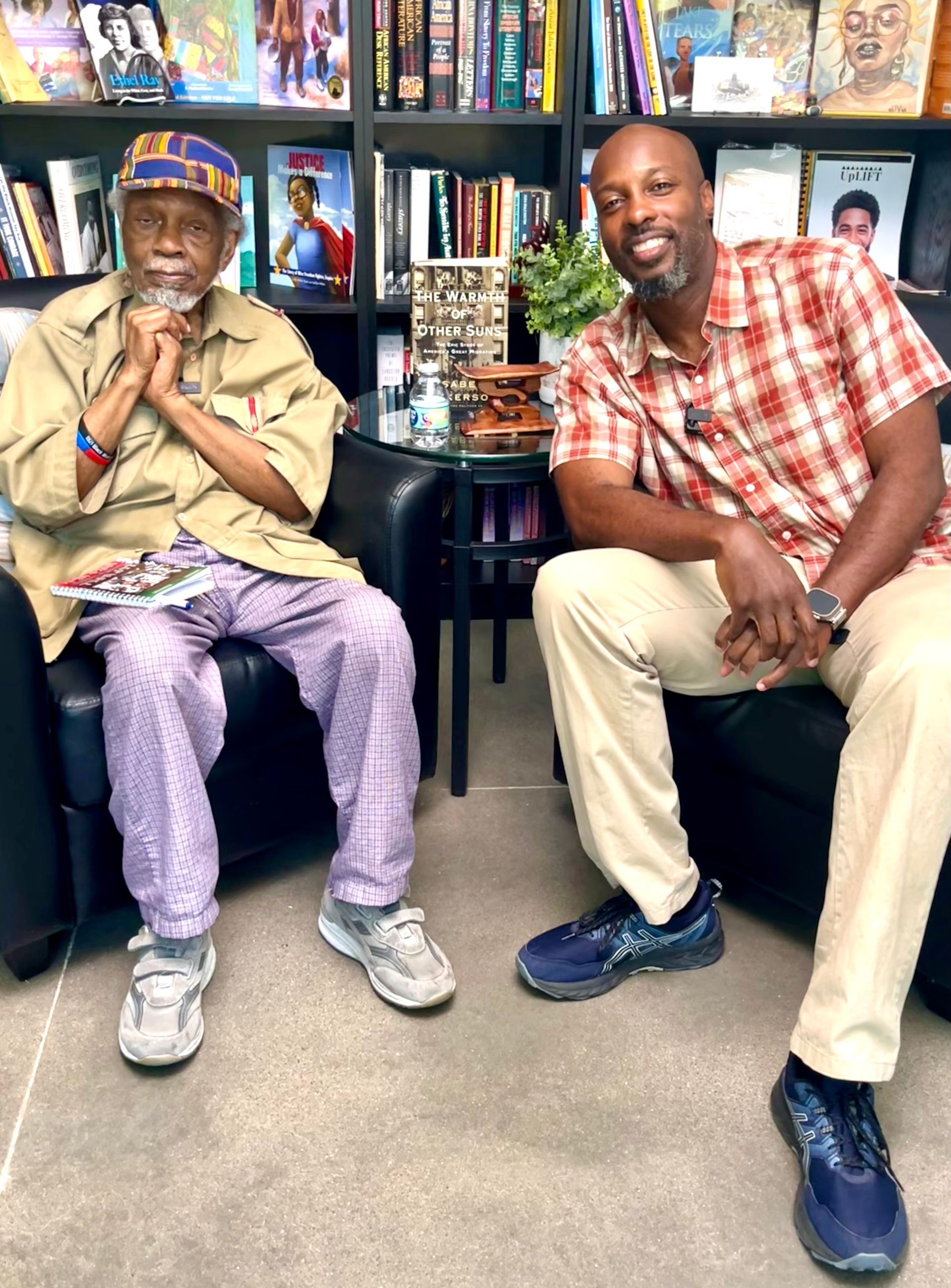
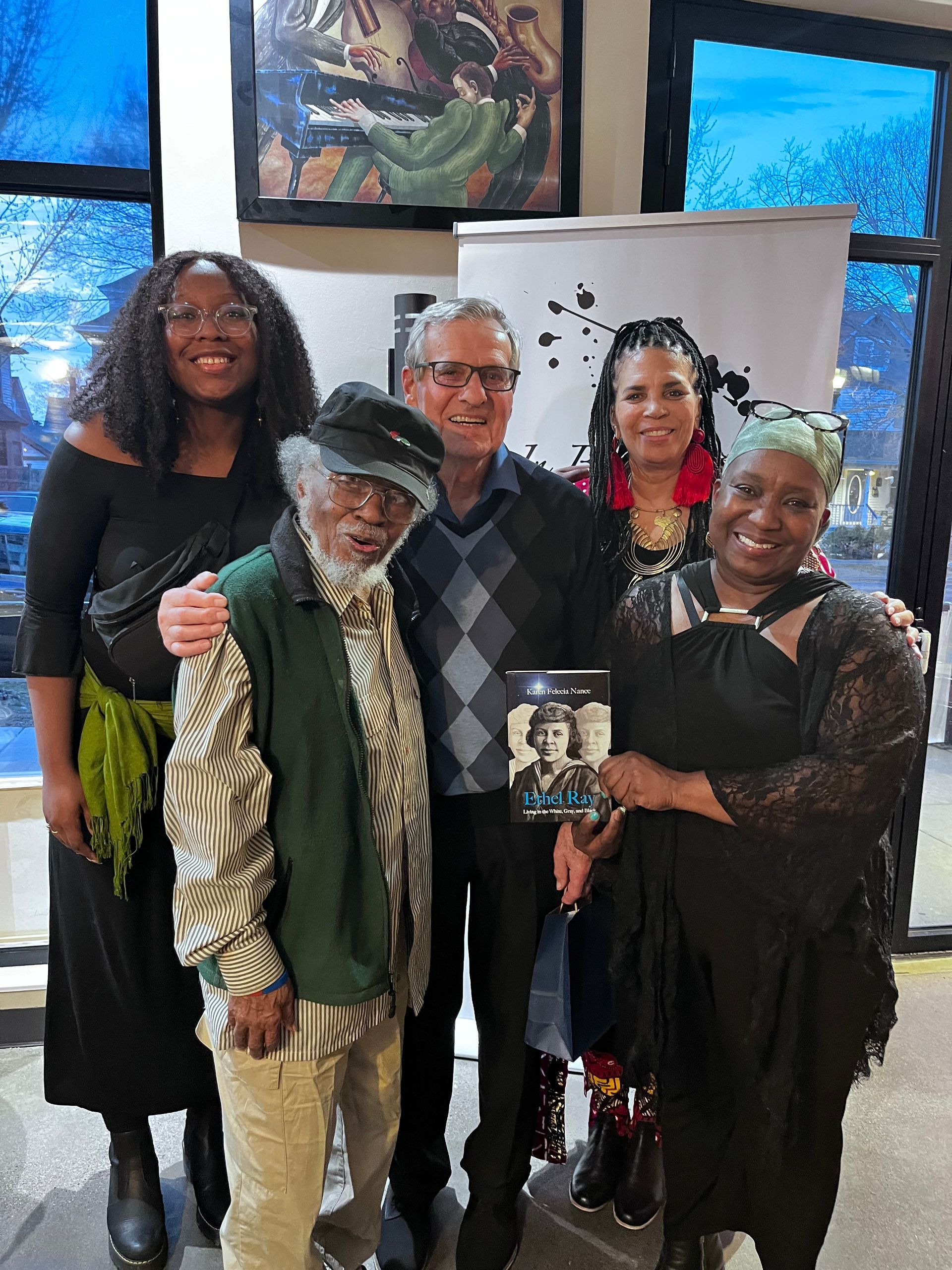
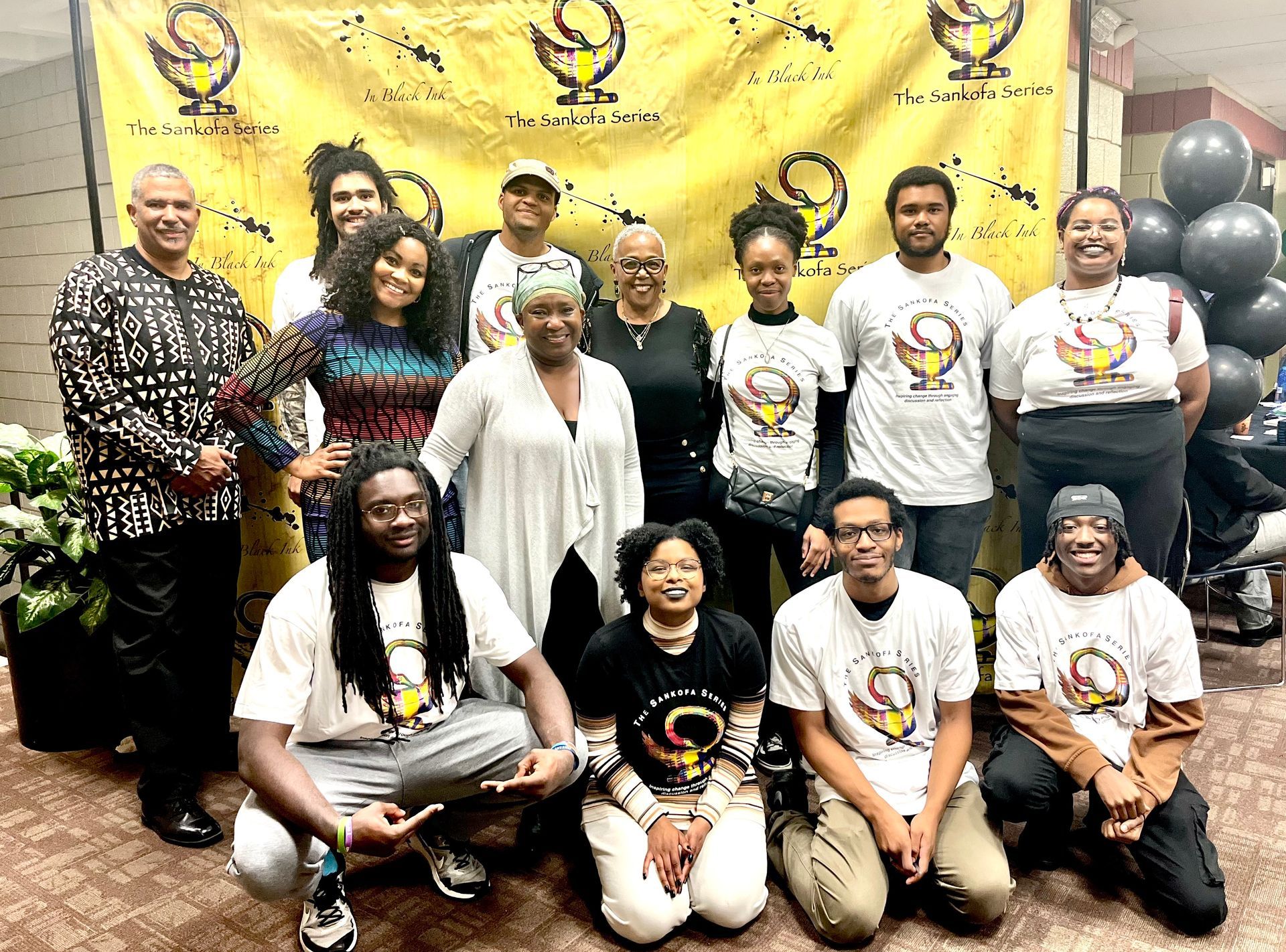
In less than a decade, they collected the personal archives and helped to publish the stories of elders like Jacqueline “Lady J” Maddix (Root Wisdom from the Elders Circle) and Ethel Ray (Living in the White, Gray, and Black). In Black Ink hosted workshops and conducted interviews to chart the migration stories of Black families in Minnesota. They convene the Sankofa Event and Series annually, which includes an intergenerational forum to discuss critical and relevant community issues; curating a related publication on the topic, like Black Media in Minnesota, or education.

But while the initiative is statewide, its roots run deep in Rondo. Rondo was one of the largest black communities in the state for a long time, Rekhet says, including her husband, who was born and raised and still has family in the neighborhood. They continue to own his grandmother’s house which has been in the Parks-Lynn family for over 60 years. In 2019, Rondo became the home to In Black Ink, moving into an office space in Rondo CLT’s SMV development. 


“It started out as we have to be in this community because of the rich history and culture and people,” Rekhet says. “So many guardians of our culture live here. So when Mychael and Stephanie [Wright], were moving into Golden Thyme, they asked In Black Ink to join them in the CLT building as community neighbors. They liked the idea of having a literary arts organization connected to the coffee shop. Golden Thyme often offered to display In Black Ink’s new publications, activities calendar, and upcoming events. They also opened their space for us to use for our small community gatherings. It was a really nice relationship.”


For Rekhet, relationships are at the center of the work. It’s about the intergenerational relationships, when young folks facilitate table discussions at the Sankofa Events and college students work as interns on various publications. It’s about the relationships with other institutions in the community, like Hallie Q Brown Community Center and Macalester College. And it’s about the relationships that connect us to our past and pave the way for our futures.


Building a Legacy of Support and Collaboration


“Rondo is a community that has recreated itself,” Rekhet says. “As a people, we do that all the time; we constantly recreate ourselves, like a butterfly effect. So with the CLT having the space and moving over here, we’ve been able to build on some of what we initially envisioned. We want literacy, books, history, and stories to be central in this community—and the energy is growing.”


She is excited by Rondo CLT’s broader efforts to re-establish the neighborhood as a Black cultural destination with a specific focus on Selby Avenue as an African American Arts and Cultural corridor. “We want to be living in a community that’s beautiful and feels good. It does a lot for our spirit. You need to pay attention to those nuances to uplift the community, make sure the streets have plants or flowers, and no trash. It makes you feel like you’re in a space that respects you and you can respect it.”


One way In Black Ink is honoring the Rondo community is through the Rondo children's book series, inspired by Elder Marvin R. Anderson of the Rondo Center of Diverse Expression, aimed at introducing eight Rondo core values to youth. Writers and artists with direct connections to the community were selected to research, write and share the lore and lessons of a neighborhood that thrived in a time of segregation and discrimination to raise healthy, successful, and visionary young people. Another way they hope to steward the next generation is through the Parks-Lynn Legacy House—the home they own in the Rondo neighborhood.


“The home will become a literary hub with small archival spaces, reading rooms, and an artist loft,” she says. “We’re trying to maintain some of the history of and in the community. The house is three blocks from Maxfield Elementary, three blocks from Central High School, and a bunch of churches. We’re still in the early planning stages, but folks have been really excited about the potential presented by this project.”


That attitude of solidarity extends beyond the neighborhood. Rekhet is quick to name other Black women in the Black publishing space who form a vital support network: Dr. Ebony Aya of Aya Collective, Mary Taris of Strive Publishing and Bookstore, Dr. Talaya Tolefree of Sankofa Moments Publishing, and Dara Beevas of Wise Ink. Over the past several years, they’ve made several attempts to come together regularly to create a network of support.


“We know at any given time we’re all struggling and want to be respectful of what each other are doing,” she says. “The landscape is large enough for us to coexist in ways that nurture and raise up our businesses. I’m trying to find the folks that are doing similar work and elevating them because I don’t see In Black Ink doing this forever. It doesn’t have to be us but it does have to go on.”


How can you support In Black Ink? Check out their website and social media to find ways to donate, volunteer or participate!

A Founder's Journey and the Fight for Black Storytelling


April 1, 2026
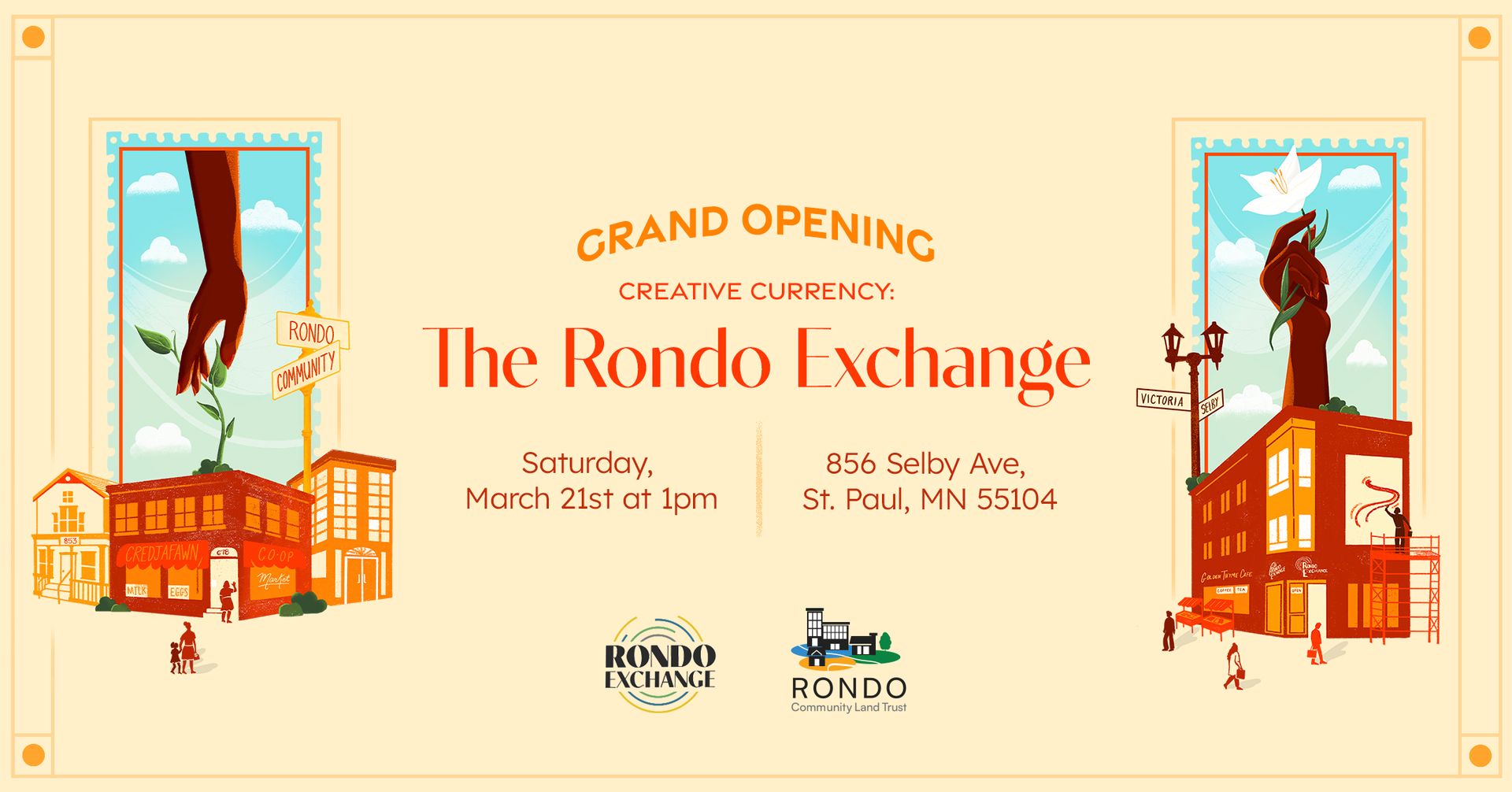
Creative Currency: The Rondo Exchange Grand Opening!
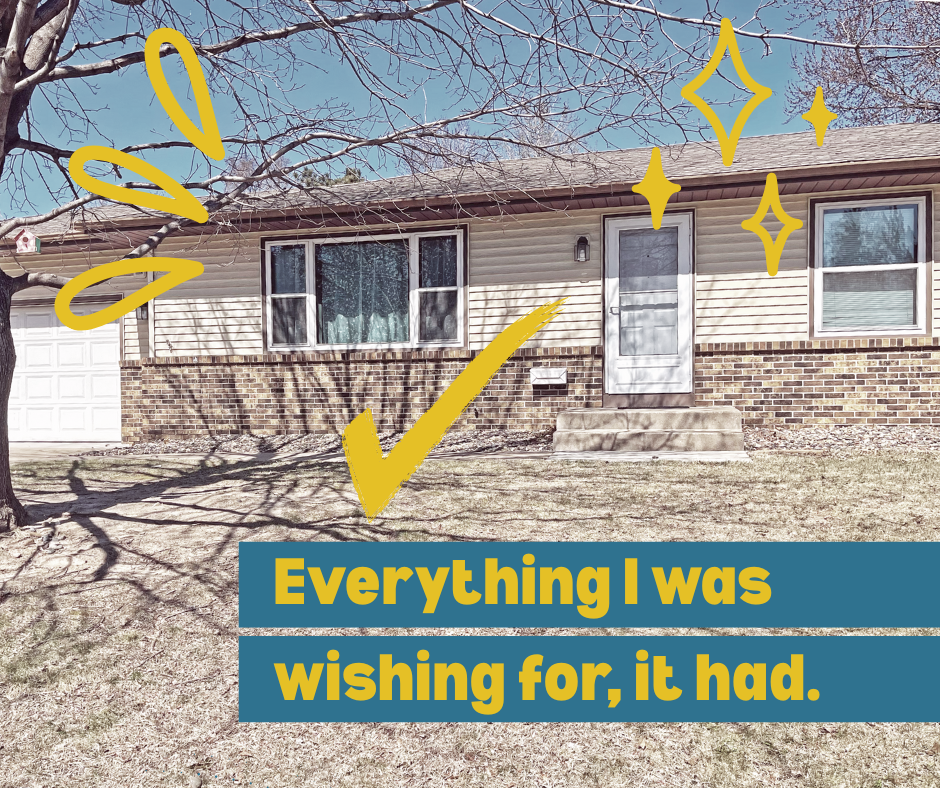
A beige house with a brick base sits on a lawn, overlaid with yellow stars, a checkmark, and text about home ownership.
By duda July 1, 2025
Wondwosen’s Journey to Homeownership Growing up in Ethiopia, Wondwosen Gebrehiwot’s family owned a home. As a father of three, Wondwosen wanted the same for his three children when he moved to the United States six years ago—but he simply couldn’t afford the high cost of homeownership in the Twin Cities, where affordable homeownership opportunities were scarce. “We were living in an apartment in Roseville, and it was very difficult living there,” he said, “really hard raising three children in an apartment.” But then someone he knew said he’d bought a house, with the support of Rondo Community Land Trust. “That’s when I found out there was such an option,” Wondwosen said, “so I directly contacted them and saw they have a one-hour orientation. I registered right away.” Soon, Wondwosen and his family were looking for a home in Ramsey County. Before long, they found the perfect three-bedroom, “Everything I was wishing for, it had,” he says. A large living room, three bedrooms together on the second level, and even a big backyard with playground equipment. How Rondo CLT Made Homeownership Affordable Through Rondo CLT’s Homebuyer Initiated Program, households earning at or below 80% of the Area Median Income (AMI) receive homeownership assistance in the form of affordability grants to purchase homes in Ramsey County. The process length varies but, for Wondwosen it took just seven months — from applying to the program to closing on his home. Benefits of Homeownership: Space, Freedom, and Peace of Mind “The day we moved in, it was the happiest moment of our lives,” Wondwosen recalls. “We were all running all over the place. We were very excited about it. We cannot wait until the weather gets warmer and spend the day out in the backyard.” And he’s able to rest assured that, after he’s been in the home for six months, Rondo CLT will be there to assist with necessary rehabilitations. For Wondwosen and his family, homeownership is so much more than a roof over their heads. “The first thing is freedom,” he says. “It’s a free space. My kids can play in whatever area they want to play in. I was thinking about their freedom.” Learn more about the Homebuyer Initiated Program or contact Rondo CLT to explore your own homeownership journey.  Feeling inspired? Support Rondo CLT and help more families thrive in Saint Paul.
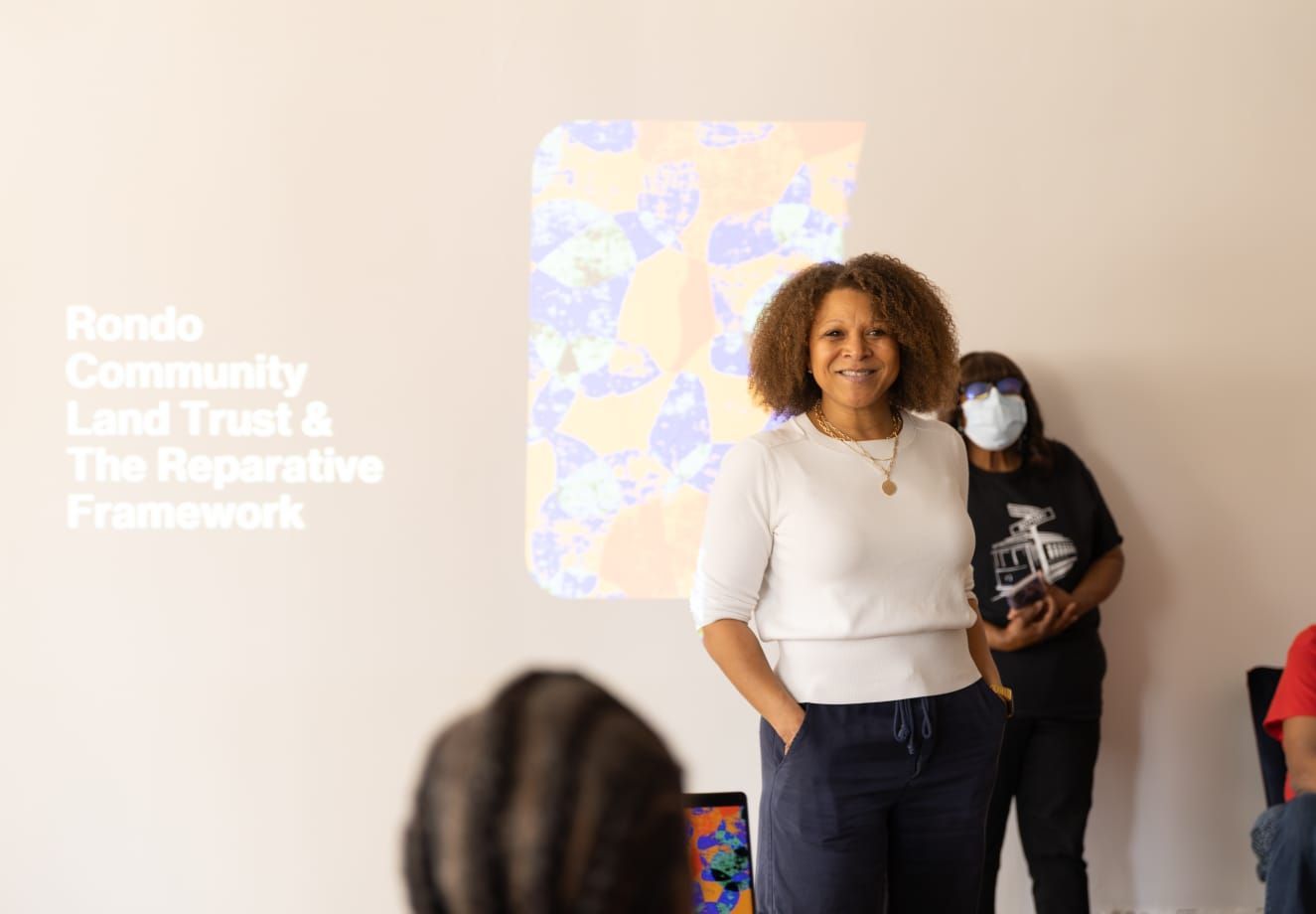
A speaker stands before a wall projection titled
By duda July 1, 2025
As many Organization's celebrate Black History Month in February, Rondo Community Land Trust is proud to be making Black history every day of the year. As we lift up everywhere we go, the community land trust model in the United States was born of Black brilliance. Last February, we wrote about the origin of CLTs in the American South with the establishment of New Communities — a model created explicitly so Black folks could own and control land to shape their own collective futures. In 1993, Rondo became the first CLT in the state of Minnesota, and for the past three decades we’ve embodied principles of cooperative stewardship. In deep collaboration with our community, we’ve secured and preserved property and land so that the Black families and businesses that were dispossessed by the destruction of the I-94 freeway can return — and new Black families and businesses can put down roots. Like our Rondo ancestors who made history with cooperative endeavors like the Credjefawn Social Club and grocery store, Rondo CLT is breaking new ground, gaining international recognition for its innovative Reparative Development Framework that incorporates principles of culture, healing, democratic labor and shared ownership. So as we honor Black History this month, we’re looking back at how our efforts in 2024 contributed to the past and future prosperity of Rondo, Saint Paul, and greater Ramsey County. Advancing Black leadership As an organization, we’ve gathered tremendous momentum in recent years. Since the arrival of our current Executive Director (and daughter of Rondo), Mikeya Griffin, our budget has increased from just $300,000 in 2021 to more than $2.4 million in 2024, and from 1.5 full-time staff in 2021 to 7 FTE in 2024. But it’s more than just financial capacity. Appointed in 2022, Mikeya continues to be the first Black chair of the Minnesota Community Land Trust Coalition and, in 2024, our staff was more than 50% Black. By spring 2025, we aim to grow to 10 staff, increasing our outreach and impact of our innovative reparative framework.